Celebrating Diversity at the German Jazz Prize 2026
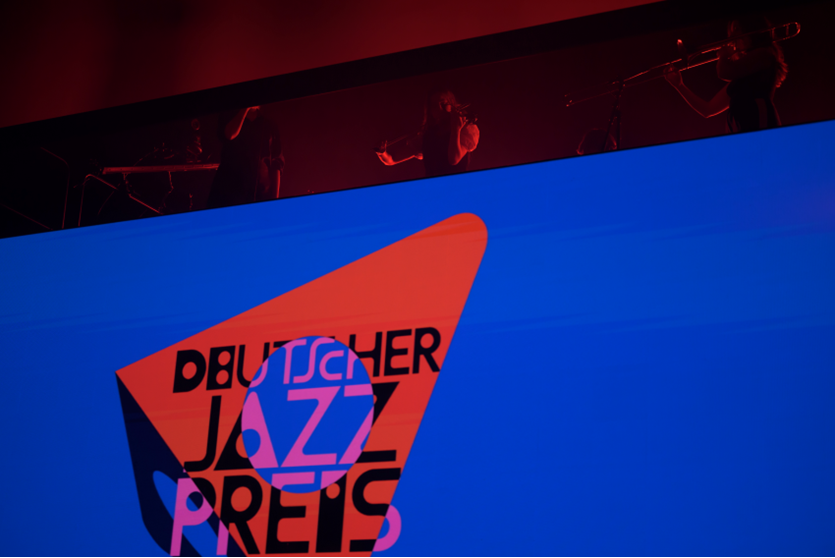
© Camille Blake
Each year at jazzahead!, the German Jazz Prize becomes one of the central meeting points of the European jazz community, bringing together musicians, critics, labels, festival organizers, and audiences from across the international scene.
Established to recognize artistic achievement while also supporting the future development of jazz, the award has quickly grown into one of Europe’s most visible and financially significant jazz prizes. The 2026 edition once again reflected the stylistic openness and diversity currently shaping contemporary jazz, presenting both established figures of European improvised music and younger artists expanding the boundaries of the genre.
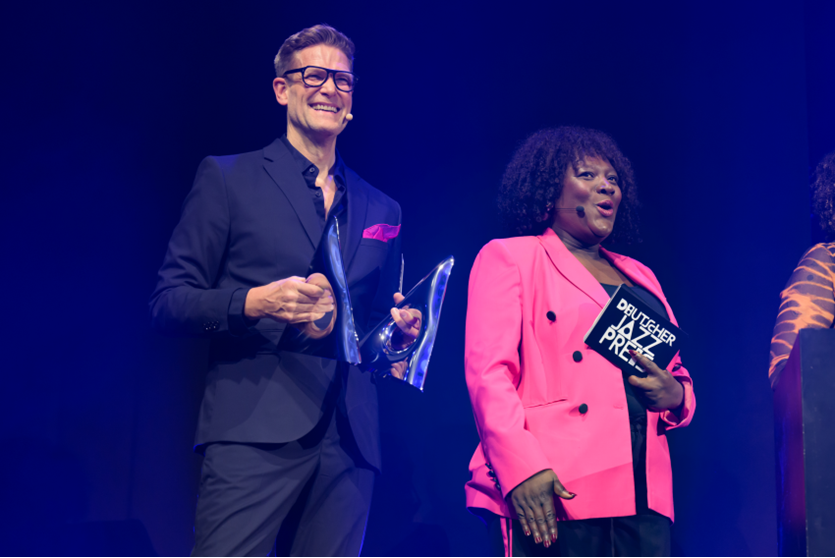
Götz Bühler & Thelma Buabeng © Camille Blake
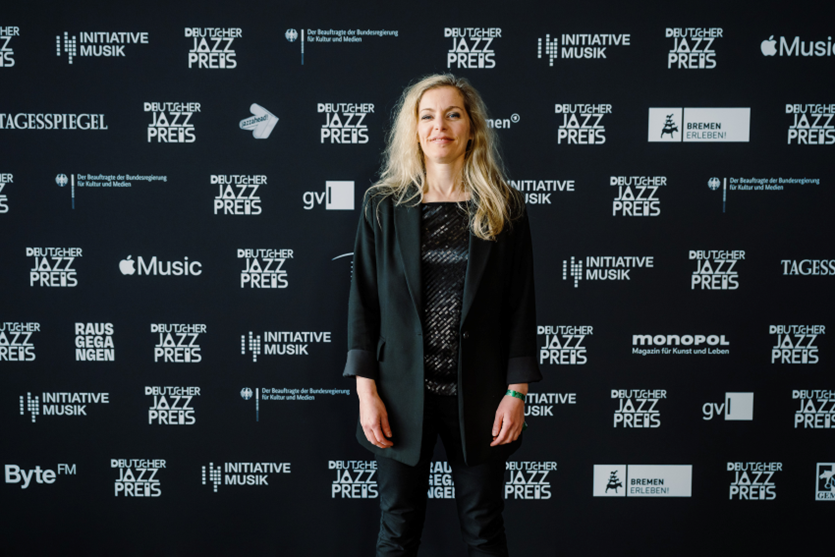
Before the ceremony, music journalist, author, and broadcaster Götz Bühler, Artistic Advisor of jazzahead! and the German Jazz Prize, spoke about this year’s nominees, the changing identity of the awards, and the broader direction of the contemporary jazz scene. The following interview is followed by an overview of the German Jazz Prize 2026 and some of the central artistic tendencies, performances, and ideas that emerged throughout the evening.
Interview with Götz Bühler
Do you see clear trends among this year's nominees? Genre blending, electronics, experimental jazz, the German jazz scene, political themes?
I think the German Jazz Prize always tries to show the range of music that's being made. So, if I look at, for instance, the Artist of the Year and the Lifetime Achievement Award, there's everything in between these two women.
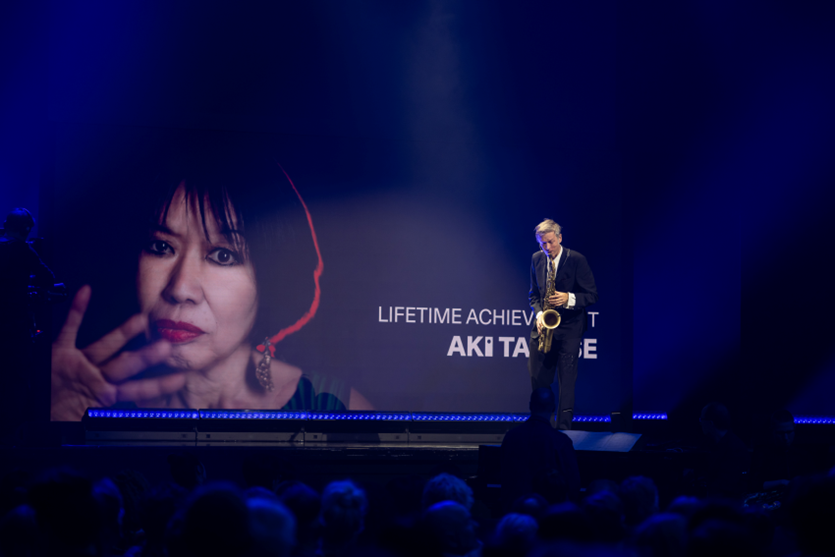
Photo Aki Takase with Daniel Erdmann © Niklas Marc Heinecke
You're going from a very tradition-based, avant-garde piano player, Aki Takase, who wins for Lifetime Achievement, to someone who comes from the tradition, who does programs of standards, really, of Duke Ellington music, but is married to Alexander von Schlippenbach, one of the most “out” piano players ever. She is a truly avant-garde artist.
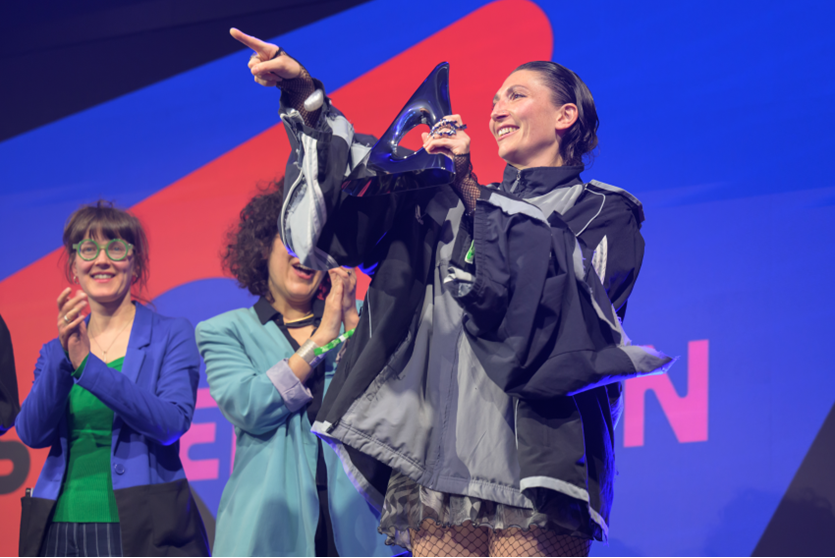
Salomea © Camille Blake
Then you move to Salomea, who's a singer between all styles, loved by the jazz community. I know her because the drummer Sylvan Strauss used to work with her. She's very instrumental in the Cologne scene, I would say is bringing people together, working with different artists, and empowering many female artists, from soul through avant-garde jazz.
And I think what the German Jazz Prize tries to do is encourage and empower young musicians of all genders, all opinions, and all genres within jazz to keep doing what they're doing, and to use their freedom of speech musically.
So, political themes – I’m not sure everything is political, and I’m not sure everything needs to be. It can range from poetry to politics, and in between there's a lot going on. It's very important for the German Jazz Prize to show diversity in all respects: gender balance, honoring the roots of this music in Black America and the Black diaspora, and showing where jazz is at the moment as well as where it's going.
What defines a strong nominee this year specifically? Technical excellence, originality? Or maybe compared to last year, what has changed within the scene and the nominees over time?
I think it's interesting because the application process is totally open. You can apply, it just needs to have been released within a certain time frame. Then there's a sort of pre-selection, because sometimes people with a rock band see there's prize money and think, “let me just apply and say we're doing jazz.” But it's the same with jazzahead!, it’s the same with everything like that, people try to find loopholes. Sometimes it works, most times it doesn't.
But I think there’s more awareness now, so it's become broader. More people are applying. And also, people are getting bolder, because they feel encouraged by someone like Sera Kalo, who won last year or the year before. She’s doing something that’s not a mainstream, not trying to fit radio expectations or older perceptions of jazz, but something new. So, others think: wow, let me experiment, let me try something more out there, something more me and I might be recognized for it.
And I think that's really the encouraging aspect of this prize. It doesn't go to those who have already “won” in terms of established careers, big record sales, and name recognition. It goes to the names you should know.
An American musician told me the other day he had worked with Miles Davis for a long time, and he said, you know, it was like a lottery win for Miles Davis: everything came together at once – talent, attitude, style, attention, and people who would listen and help his career move forward. Those elements exist, to some extent, for many musicians. You need talent to sustain a career, of course. You have an attitude, it may work, it may not. You have a style, it may be appreciated or not. But when these things align, and then you're nominated or awarded, and someone says, “what you're doing is really good, and more people should know about it”. That’s what the German Jazz Prize is trying to do. And it’s not done often enough. The fact that half a million euros in prize money is given to nominees and winners already says a lot.
Would you like to comment on your favorite nominee this year, or would you prefer to stay diplomatic?
I will stay diplomatic, yes. There are so many of my favorites in there. It's actually quite funny, yesterday we did a run-through, and my co-presenter said, “Do you know all these people?” And I said, “Yes, I know all of them, and I love all of them.” It breaks my heart that only one can win.
But there's also a feeling in the room that just having your name mentioned, being nominated, is already a win. And you receive money as well. So, I think it’s a very worthy way of doing this. Yes, there is that one award you take home but just being nominated already has an impact. It’s a win, and it can really help a career.
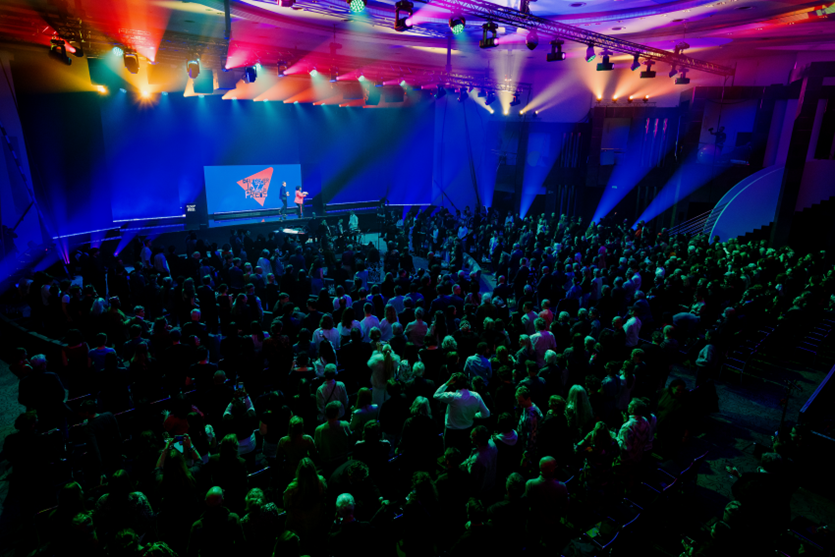
© Niklas Marc Heinecke
Overview
Many of those themes were discussed in advance by Götz Bühler. Indeed, openness, artistic freedom, and encouragement rather than exclusivity became clearly visible throughout the evening. German Jazz Prize 2026 didn't present a narrowly protected legacy of jazz music as a cultural heritage, but rather the dynamic culture shaped by musicians, educators, journalists, organizers, and collaborative communities. This perspective was already apparent in the symbolic choice of the figures representing the two generations of jazz in Germany.
Namely, the Lifetime Achievement Award was received by Aki Takase, a pianist known for her decades-long avant-garde exploration within improvised music, while the Artist of the Year title was won by Rebekka Salomea, a young musician who actively erases the borders between jazz and electronic music, spoken word, soul, and alternative pop music. At the same time, the prominence of women throughout the nominations, performances, and award recipients felt less like a curatorial statement than a natural reflection of where contemporary jazz currently finds itself. Yet the evening never positioned tradition and innovation as opposites. The key was their continuity that can be defined as common curiosity, experimentation, and artistic individuality. The range of categories alone revealed how diverse, open, and constantly evolving the jazz scene has become. Even the award categories of the German Jazz Prize emphasized how many different approaches to jazz coexist today.
Lina Allemano © Niklas Marc Heinecke
Alongside the instrumental categories represented by artists such as Peter Ehwald, Lina Allemano, Olga Reznichenko, Robert Lucaciu, and Lukas Akintaya (Adeolu), the awards also emphasized large formats, ensemble thinking, and collaborative practice. The recognition of Luise Volkmann & Été Large as Large Ensemble of the Year, together with their additional Radio Production of the Year Award (The Stories We Tell), highlighted projects beyond conventional concert forms, on projects that integrate compositional and interdisciplinary creative practice.
The International Large Ensemble of the Year went to Webber/Morris Big Band, led by two women composers-performers Anna Weber and Angela Morris, in recognition of the fact that large, ambitious writing for ensembles is far from passé.
Moses Yoofee Trio © Camille Blake
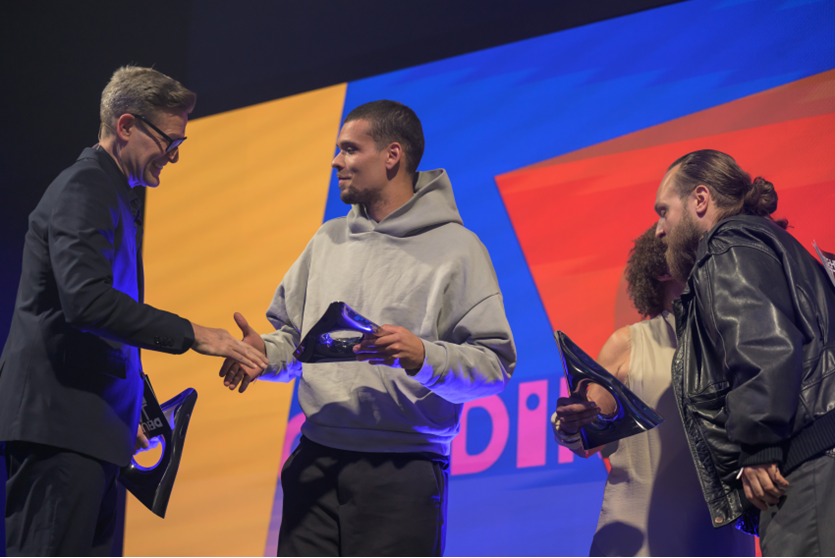
The other important characteristic of this year’s German Prize was a clear focus on the new generation of artists, and a clear sense of fresh creative vitality. Moses Yoofee Trio winning the Debut Album of the Year for MYT highlights the growing prominence of a young generation whose music naturally incorporates jazz, hip hop, electronic, groove, and current production techniques, not as opposites, but as one harmonious whole. Likewise, Yonglee & the DOLTANG winning the International Debut Album for Invisible Worker showed how internationally connected and stylistically hybrid the jazz scene has become. In the Recording and Production category as well, the ceremony showed that today’s jazz is becoming more than just an event of performance and instead becoming defined as constructed, distinct sonic identities.
From Phil Donkin’s “Bring a Friend”, awarded Album of the Year, to Johnathan Blake’s “My Life Matters”, recognized internationally, the Recording and Production categories emphasized albums not simply as recordings of performances, but as complete artistic statements shaped through production, mood, and concept.
Groove Inclusion © Eugen Mayer
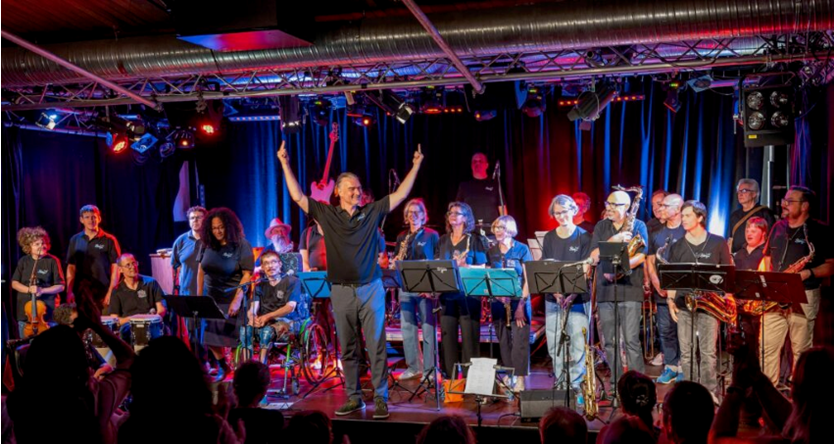
Equally important was the visibility given to projects on participation, inclusion, and education. The Music Education and Participation award to Groove Inclusion underlined the way in which contemporary jazz institutions are placing greater value on accessibility and community-building alongside artistic excellence itself. Such a focus implied an understanding of jazz not as an art form, but as a social and pedagogical practice that could foster dialogue and greater participation. The event also showed how much the wider cultural ecosystem around music is appreciated by the German Jazz Prize.
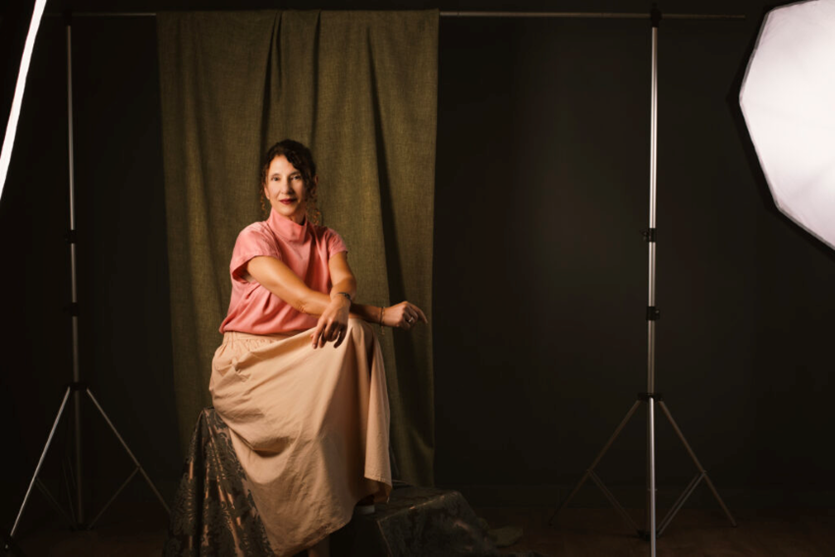
Anna Schmidt © Lourdes Franco
The Journalistic Achievement Award presented to Anna Schmidt’s documentary “Being Hipp – First Lady of European Jazz” acknowledged the importance of documentary filmmaking and critical reflection in preserving jazz history and reconsidering overlooked artistic legacies. In this context, journalism appeared not as something secondary to music-making but as an active contributor to cultural memory itself.
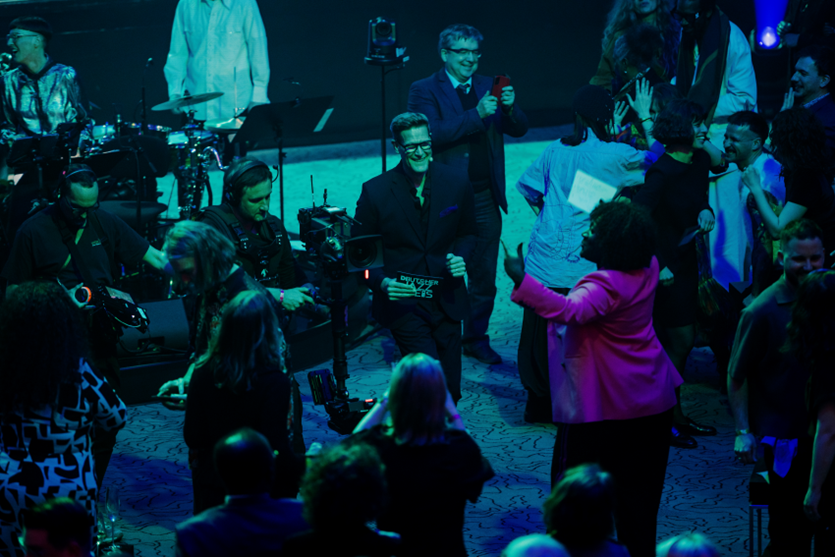
© Niklas Marc Heinecke
Before the formal evening began, however, the atmosphere in the hall was established in an unexpectedly charming way. As guests gradually gathered inside the venue, a live DJ set accompanied, and the opening immediately prevented the feeling from being overly ceremonial or distant.
The evening, moderated by Thelma Buabeng and Götz Bühler, moved naturally between warmth, humor, and spontaneity. Live performances woven between the award categories gave the event a strong musical pulse throughout the night. The technical side of the production was equally well considered, from the carefully balanced sound and atmospheric lighting design to the adjustable stage setup and projections that continuously transformed the atmosphere of the hall.
Appearances by Adeolu, Hilde, Ganavya and Moses Yoofee Trio were an organic part of the evening in themselves and emphasized the variety of style within the nominations. Fittingly, several of the evening’s performers were also among the award recipients, including Moses Yoofee Trio, who received the Debut Album of the Year award for MYT, and Lukas Akintaya (Adeolu), recognized in the Drums/Percussion category.
Within the larger hum of jazzahead!, the 2026 German Jazz Prize ultimately felt less about the industry and more like a collective embrace of contemporary jazz in all its diversity – acknowledging talent, innovation, collaboration, historical awareness, and fresh creative thinking about what jazz can and will be.
Text © Ieva Pakalniškytė - photos © Camille Blake / Niklas Marc Heinecke / Eugen Mayer / Lourdes Franco
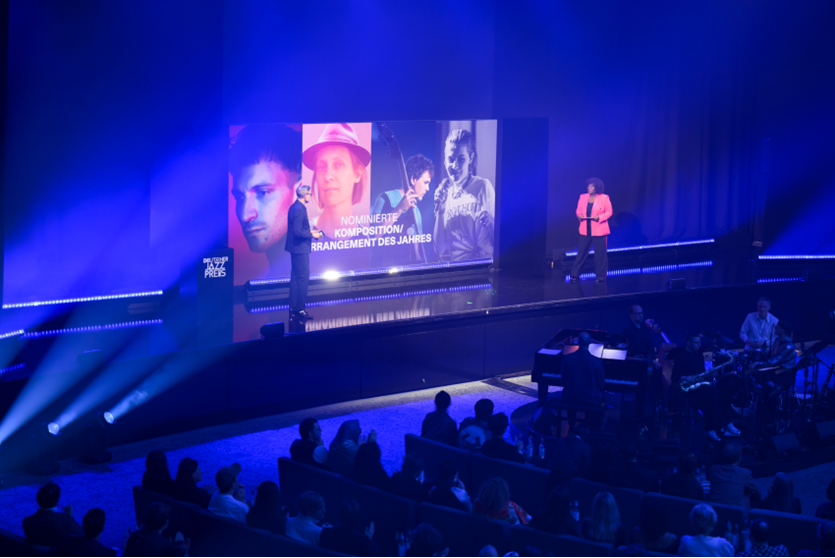
© Camille Blake
German Jazz Prize 2026 Award-winners
Vocal: Christina Wheeler
Woodwind Instruments: Peter Ehwald
Brass Instruments: Lina Allemano
Piano/Keyboards: Olga Reznichenko
String Instruments: Robert Lucaciu
Drums/Percussion: Lukas Akintaya (Adeolu)
Artist of the Year: Rebekka Salomea
Large Ensemble of the Year: Luise Volkmann & Été Large
International Artist of the Year: Sullivan Fortner
International Large Ensemble of the Year: Webber/Morris Big Band
Recording/production
Album of the Year: Bring a Friend – Phil Donkin
Debut Album of the Year: MYT – Moses Yoofee Trio
Radio Production of the Year: The Stories We Tell – Luise Volkmann & Été Large
International Album of the Year: My Life Matters – Johnathan Blake
International Debut Album of the Year: Invisible Worker – yonglee & the DOLTANG
Live
Festival of the Year: 62. jazzwerkstatt Peitz
Live Act of the Year: Fuasi Abdul-Khaliq
International Live Act of the Year: Kris Davis Trio
Composition/arrangement
Composition/Arrangement of the Year: Das Summen meiner Teile – Max Andrzejewski
Special awards
Journalistic Achievement: “Being Hipp – First Lady of European Jazz” – Anna Schmidt
Lifetime Achievement: Aki Takase
Music Education and Participation: Groove Inclusion
Other
In case you LIKE us, please click here:

Foto © Leentje Arnouts
"WAGON JAZZ"
cycle d’interviews réalisées
par Georges Tonla Briquet
our partners:





Luchthavenvervoer zonder stress
Hotel-Brasserie
Markt 2 - 8820 TORHOUT
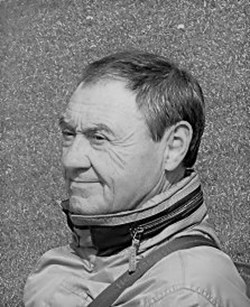
Silvère Mansis
(10.9.1944 - 22.4.2018)
foto © Dirck Brysse
Rik Bevernage
(19.4.1954 - 6.3.2018)
foto © Stefe Jiroflée
Philippe Schoonbrood
(24.5.1957-30.5.2020)
foto © Dominique Houcmant
Claude Loxhay
(18.2.1947 – 2.11.2023)
foto © Marie Gilon
Pedro Soler
(8.6.1938 – 3.8.2024)
foto © Jacky Lepage
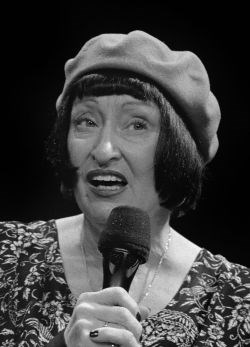
Sheila Jordan
(18.11.1928 – 11.8.2025)
foto © Jacky Lepage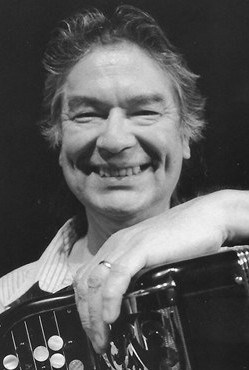
Raúl Barboza
(22.5.1938 - 27.8.2025)
foto © Jacky Lepage
Special thanks to our photographers:
Petra Beckers
Ron Beenen
Annie Boedt
Klaas Boelen
Henning Bolte
Serge Braem
Cedric Craps
Luca A. d'Agostino
Christian Deblanc
Philippe De Cleen
Paul De Cloedt
Cindy De Kuyper
Koen Deleu
Ferdinand Dupuis-Panther
Palma Fiacco
Anne Fishburn
Federico Garcia
Jeroen Goddemaer
Robert Hansenne
Serge Heimlich
Dominique Houcmant
Stefe Jiroflée
Herman Klaassen
Philippe Klein
Jos L. Knaepen
Tom Leentjes
Hugo Lefèvre
Jacky Lepage
Olivier Lestoquoit
Eric Malfait
Simas Martinonis
Nina Contini Melis
Anne Panther
France Paquay
Francesca Patella
Quentin Perot
Jean-Jacques Pussiau
Arnold Reyngoudt
Jean Schoubs
Willy Schuyten
Louise Stubbe
Frank Tafuri
Jean-Pierre Tillaert
Tom Vanbesien
Jef Vandebroek
Jean-Marie Vandelannoitte
Geert Vandepoele
Guy Van de Poel
Cees van de Ven
Donata van de Ven
Maurits van Hout
Harry van Kesteren
Geert Vanoverschelde
Roger Vantilt
Patrick Van Vlerken
Marie-Anne Ver Eecke
Karine Vergauwen
Frank Verlinden
Jan Vernieuwe
Anders Vranken
Didier Wagner
and to our writers:
Mischa Andriessen
Robin Arends
Marleen Arnouts
Werner Barth
José Bedeur
Henning Bolte
Paul Braem
Erik Carrette
Danny De Bock
Denis Desassis
Jean-Pierre Devresse
Pierre Dulieu
Ferdinand Dupuis-Panther
Federico Garcia
Paul Godderis
Stephen Godsall
Jean-Pierre Goffin
Claudy Jalet
Chris Joris
Bernard Lefèvre
Mathilde Löffler
Claude Loxhay
Ieva Pakalniškytė
Anne Panther
Etienne Payen
Quentin Perot
Jacques Prouvost
Jempi Samyn
Renato Sclaunich
Yves « JB » Tassin
Herman te Loo
Eric Therer
Georges Tonla Briquet
Henri Vandenberghe
Jean-Jacques Vandenbroucke
Peter Van De Vijvere
Iwein Van Malderen
Jan Van Stichel
Olivier Verhelst